
Things to Do in Guatemala in January
January weather, activities, events & insider tips
High Season · Book Early
January Weather in Guatemala
Long-run averages for January in Guatemala City
75°F (24°C)
High Temp
55°F (13°C)
Low Temp
0.1 inches (3 mm)
Rainfall
70%
Humidity
10
Sunny-Day UV
⚠ Highland UV exposure at altitudes above 1,500 m (4,920 ft) is intense year-round, and January's clear dry skies remove the cloud cover that provides incidental protection in wetter months. Sunburn at the Acatenango summit or on open lancha crossings at Lake Atitlán happens faster than most travelers expect. Wear sunscreen. Reapply often.
⚠ Nighttime temperatures in highland towns regularly drop to 10°C (50°F) or below, and many budget and mid-range accommodations lack heating. Hypothermia is unlikely but cold, sleepless nights are common for underprepared travelers, at Lake Atitlán and in the Quetzaltenango valley. Pack layers. Bring a sleeping bag liner.
⚠ Dry-season dust from unpaved roads and volcanic soil creates poor air quality on long shuttle rides through the highlands, between Antigua and Huehuetenango or on the descent to Semuc Champey. Travelers with asthma or respiratory conditions should carry appropriate medication and consider a face covering for transit. The dust is relentless.
Making the most of January in Guatemala? Browse tours and activities in Guatemala on GetYourGuide.
Is January Right for You?
Weigh the advantages and considerations before booking
Advantages
- + January is the driest month in Guatemala's calendar, with Guatemala City recording just 3 mm (0.1 inches) of rain on average. The highland sky stays sharp and cloudless for days at a stretch. This means unobstructed views from Volcán Pacaya's crater rim. It means bone-dry trails on the Acatenango overnight. You get morning light over Lake Atitlán that turns San Pedro volcano into a silhouette so clean it looks painted. For hikers and photographers, this is the month.
- + Coffee harvest peaks across the highlands in January. The fincas around Antigua Guatemala open their processing patios to visitors. You can walk through rows of Bourbon and Caturra varietals heavy with ripe cherry. Watch the wet-mill pulping that separates the bean from the fruit. Smell the fermenting mucilage. It carries a sharp, yeasty sweetness nothing like the roasted aroma you associate with coffee. The harvest crews are working flat out. What you see is a functioning farm. Not a staged demonstration.
- + Guatemala City's average high of 24°C (75°F) with lows around 13°C (55°F) delivers the kind of climate where you can walk all day without wilting. Antigua sits at roughly 1,530 m (5,020 ft) in the Panchoy Valley. Its January afternoons feel like a perfect late-spring day. Warm sun. Dry air. Cool enough for a light layer by sunset. Compared to the crushing humidity of the May-through-October wet season, January air in the highlands feels almost Mediterranean.
- + The Cristo Negro pilgrimage to Esquipulas draws tens of thousands of Guatemalans in mid-January. Most are families making a journey they have made every year for generations. The atmosphere along the approach roads is part carnival, part solemn devotion. Incense smoke from copal resin mixes with the char of grilled corn on portable braziers. The basilica interior echoes with murmured prayers and the shuffle of bare feet on stone. You will not find this in any tourist itinerary. It is one of the most unfiltered windows into Guatemalan faith you can witness.
Considerations
- − January is peak season. Antigua feels it. The cobblestone streets around Parque Central and the Arco de Santa Catalina get dense with visitors by mid-morning. Rooms in the restored colonial houses near La Merced church book out weeks ahead. If you arrive without reservations expecting to find a courtyard room with a volcano view, you will likely be disappointed. Or paying a significant premium.
- − Highland nights catch first-timers off guard. That comfortable 24°C (75°F) afternoon drops to 13°C (55°F) or lower after dark in Guatemala City. Towns at higher elevation like Quetzaltenango at 2,330 m (7,640 ft) or the villages around Lake Atitlán can dip below 10°C (50°F). Many budget guesthouses lack heating entirely. Travelers who packed only shorts and sandals end up buying cheap fleeces from the Chichicastenango market out of necessity.
- − The dry season kicks up fine volcanic dust on unpaved roads throughout the highlands. Shuttle rides between Antigua and Lake Atitlán or out toward Semuc Champey leave a gritty film on everything. If you have respiratory sensitivities, the combination of altitude and particulate matter on rural stretches is worth considering. A buff or light scarf for the road is not paranoia. It is practical.
Short on time in January? See day trips around Guatemala on GetYourGuide.
Best Activities in January
Top things to do during your visit
January hits Guatemala like a long exhale after the rains. The air turns dry and light. Daytime temperatures settle around 75°F. Nights in the highlands cool to 55°F, comfortable enough that walking cobblestone streets and climbing temple pyramids feels effortless. Punishing heat is gone. Rainfall is virtually nonexistent this month, averaging a trace amount that rounds to near zero. The volcanic peaks ringing Lake Atitlán stand sharp against skies scrubbed clean of haze. The roads between Guatemala City and Antigua are passable and predictable. The jungle canopy around Petén is lush from months of prior rain but no longer dripping. The country's palette tilts toward deep greens, terracotta, and the dusty gold of dry-season cornfields. For travelers weighing when to visit Guatemala, January sits in the middle of the dry season. It ranks among the most reliably pleasant months of the year. The wet season does not begin in earnest until May. There is no gamble with afternoon downpours washing out a hike to a waterfall. No fogged sunrises over Tikal. Guatemala's highland towns, Antigua, Chichicastenango, Panajachel, carry a crispness in early mornings. The scent of wood smoke drifts from kitchen fires. It mixes with roasting corn from street vendors. Markets are fully stocked. Lake crossings run on schedule. The country operates with calm, unhurried energy. The peak-season crush of December holidays has just released. Spend a week threading through the Western Highlands. Divide your time between the colonial lowlands and the northern jungle. January rewards you with Guatemala at its most cooperative and photogenic. Safety shapes how most visitors plan a Guatemala trip. Stick to well-traveled corridors. The Antigua valley. Lake Atitlán's lakeshore towns. The Tikal archaeological zone. Tourist-oriented neighborhoods of Guatemala City like Zona 4 and Zona 10. Risk stays manageable. Organized tours and private transfers eliminate uncertainty. Navigating unfamiliar roads at night is no longer your problem. Guatemala's food scene is worth building days around. Pepián stewed low and slow until the pumpkin-seed sauce turns thick and nutty. Fresh tortillas slapped onto clay comales until they blister with dark spots. Tamales wrapped in banana leaves that release warm, earthy steam when unfolded. The country's cuisine is rooted in corn, black beans, and chiles. Regional variations reward the curious eater. Coastal seafood ceviches sharp with lime. Highland stews rich with dried fruit. Every altitude delivers something different.

Glimpse Of Guatemala - Tour Only
guided_experienceThis guided experience compresses Guatemala's geographic drama into a single itinerary. It threads from volcanic highlands draped in coffee plants to colonial towns where walls are painted in faded ochre and turquoise. The route moves through pine-forested ridges. The air smells of resin and damp earth. Lower valleys follow, where sugarcane fields rustle in the breeze. Roadside stands sell sliced mango dusted with chili powder. This survey orients first-time visitors to the country's scale and variety. It covers ground that would take days to piece together independently.
A compressed circuit of Guatemala's highlands, colonial architecture, and volcanic terrain that gives first-time visitors the geographic vocabulary to plan deeper exploration.
Insider tip: Request a window seat on the left side of the vehicle heading west from Guatemala City. The descent toward the Pacific slope reveals a layered panorama of three volcanoes. Most passengers on the right side miss it entirely.

Graffiti Walking Tour in 4 Grados Norte Guatemala City
walking_tourZona 4's 4 Grados Norte district is Guatemala City's most concentrated argument against the idea that the capital has nothing to offer. The walking tour moves through alleyways where murals scale three and four stories high. Enormous portraits with eyes that follow you. Abstract explosions of magenta and electric blue. Political commentary layered in symbolism that a local guide decodes piece by piece. Fresh espresso pours out of converted-warehouse cafés. Skateboards clatter on polished concrete. Cumbia leaks from a bar that will not fill up for another six hours. This is where Guatemala City's young creative class spends its time. The street art is not decoration. It is ongoing public conversation.
The most concentrated outdoor gallery in Central America, where Guatemala City's artists use warehouse walls as canvas for political commentary and cultural identity in a neighborhood most guidebooks still ignore.
Insider tip: Go on a weekday morning when streets are quieter and light hits the east-facing murals directly. Weekend crowds and afternoon shadows make it harder to photograph the upper sections of the tallest pieces.

Private transfer from Airport to Panajachel
transportThe drive from La Aurora International Airport in Guatemala City to Panajachel on the shore of Lake Atitlán crosses roughly three hours of shifting terrain. Urban sprawl gives way to pine highlands. A descent through switchbacks follows. The lake appears suddenly below, impossibly blue, ringed by the dark cones of Volcán Tolimán and Volcán San Pedro. A private transfer eliminates the grind of negotiating chicken-bus connections. No flagging down shared shuttles with luggage. The driver typically knows which roadside comedores serve the best chuchitos. Small tamales stuffed with pork and wrapped in corn husks. The masa is faintly sweet and steaming when you unwrap them.
The most stress-free way to connect Guatemala City's airport to Lake Atitlán, turning a logistically complicated transfer into a scenic three-hour drive with door-to-door service.
Insider tip: Ask the driver to stop at the Los Encuentros junction overlook on the Pan-American Highway. It adds five minutes to the trip. You get the single best vantage point of the lake before the road drops into the Sololá descent.

Day Trip Tikal adventure from Guatemala City
day_tripTikal is not a ruin you walk through. It is a ruin that swallows you. The day trip from Guatemala City involves an early-morning domestic flight north to Flores. A transfer into the Petén jungle follows. The canopy closes overhead. The air turns thick and green, heavy with the smell of decaying leaves and wet bark. Temple IV rises 230 feet above the forest floor. Climbing to the platform at its crown puts you above the treetops. Howler monkeys bellow from somewhere in the green carpet below. Toucans cross the clearing in bursts of yellow and black. The acoustics of the Grand Plaza, flanked by Temple I and Temple II, produce an echo effect. A clap at the base of one pyramid returns from the face of the other. The ancient Maya almost certainly engineered this deliberately. January's dry, clear conditions mean the temples are not slicked with rain. The trails between complexes are firm underfoot.
One of the largest archaeological sites in the pre-Columbian Americas, where pyramids breach the jungle canopy and the dawn soundscape of howler monkeys and parrots has not changed in a thousand years.
Insider tip: Eat a substantial breakfast before you enter the park. The on-site comedores near the visitor center are overpriced and underwhelming. Once you pass the entrance, there is nowhere to buy food until you return.
This month: January's negligible rainfall keeps Tikal's jungle trails dry and firm, and the clear skies improve visibility from the temple summits across the Petén canopy.

Hobbitenango, Altamira and Antigua Borial parks.
otherHobbitenango sits in the hills above Antigua Guatemala at roughly 7,200 feet. The first thing you notice stepping out of the vehicle is the temperature drop. The air bites gently at exposed skin. It carries the scent of pine needles and eucalyptus from the surrounding forest. The park is built around hobbit-hole structures dug into hillsides and framed with round wooden doors. Gardens surround them, where lavender and rosemary grow in raised stone beds. Combined with stops at the Altamira and Antigua Borial parks, the day covers a range of highland landscapes. Cloud-forest canopy walks. Ziplines threading between old-growth trees. Elevated lookout points where the Agua, Fuego, and Acatenango volcanoes line up in a row so precise it looks staged. The cool January air at this altitude, well below the 55°F valley floor, makes the physical portions of the day comfortable rather than exhausting.
A highland circuit above Antigua that combines whimsical architecture, cloud-forest trails, and the clearest volcanic panorama in Guatemala's central highlands.
Insider tip: Wear layers rather than a single heavy jacket. The temperature swings sharply between shaded forest trails and sun-exposed overlooks at this altitude. You will be peeling off and adding layers all day.
This month: The cool January air at this altitude, well below the 55°F valley floor, makes the physical portions of the day comfortable rather than exhausting.

Lake Atitlan Private Tour
private_tourLake Atitlán earns its reputation not through one view but through accumulation. The water shifts from slate grey to cobalt to jade. It depends on the angle of the sun and which volcano you are standing beneath. A private tour allows unhurried movement between lakeshore towns. Public lanchas, the small motorboats that serve as water taxis, make this difficult on a schedule. In San Juan La Laguna, narrow streets smell of natural dyes. Indigo vats and cochineal paste. Weaving cooperatives demonstrate backstrap-loom techniques that have not changed in form for centuries. The rhythmic clack of the wooden shuttle is audible from the doorway. In Santiago Atitlán, the church of San Simón holds a syncretic folk saint dressed in scarves and sunglasses. Offerings of cigarettes and liquor surround him. The interior is thick with copal incense smoke that stings the eyes. January's dry weather keeps the lake calm and visibility long. Boat crossings are smooth. Volcanic reflections on the water surface stay intact rather than scattering in rain-driven chop.
A private boat circuit of Lake Atitlán's culturally distinct Maya towns, where each village maintains its own textile tradition, dialect, and patron saint in a landscape framed by three volcanoes.
Insider tip: Ask your guide to include a stop at the San Juan La Laguna waterfront around midday. The fishermen return with their catch. Several families grill fresh black bass on open coals right on the dock, seasoned with nothing but lime and salt, the skin charred and crackling.
This month: January's near-zero rainfall keeps Lake Atitlán's surface calm for smooth boat crossings between towns, and the dry air means the three framing volcanoes remain visible all day rather than disappearing behind afternoon cloud banks.
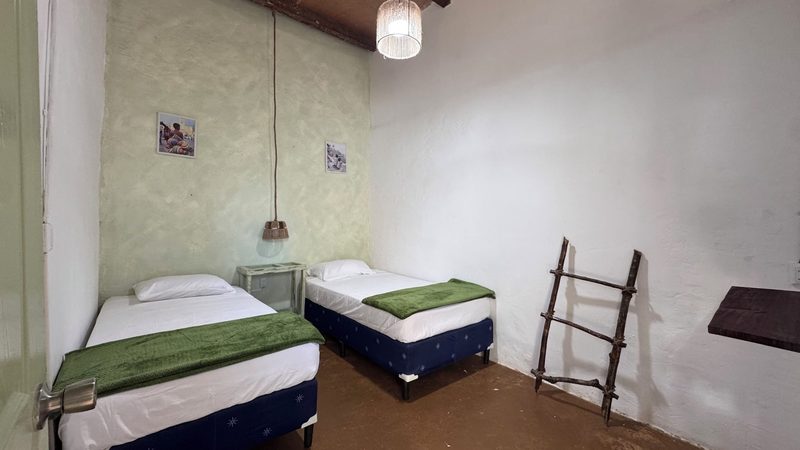
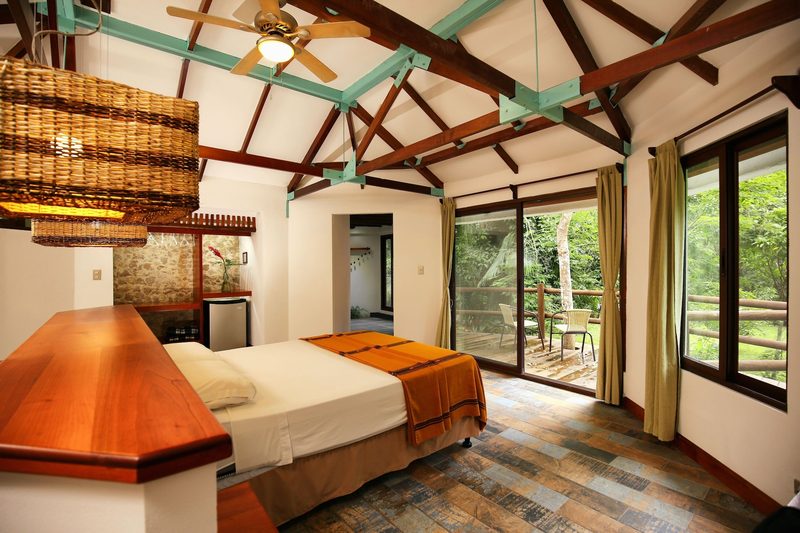
Where to Stay in Guatemala in January
Hand-picked hotels across price tiers for January travellers.
Public Holidays in January
Dates that affect opening hours, transport and crowds
New Year's Day
Observed nationwide as a public holiday.
New Year's Day
Observed nationwide as a public holiday.
Packing Checklist
Bookmark this page — your progress is saved between visits
Need the full list with shopping links?
Climate-specific gear, brand recommendations, and what to leave at home.
View Guatemala Packing List →Essential Tips
Insider knowledge and common pitfalls to avoid
Insider Knowledge
The shuttle-van network between Antigua, Panajachel, Quetzaltenango, and Semuc Champey is the real transit system for travelers in Guatemala. Not the public chicken buses that guidebooks romanticize. Chicken buses are repurposed North American school buses. The experience is authentic. The driving is reckless on mountain switchbacks with no guardrails. Tourist shuttles cost more but follow safer practices. That said, the short chicken bus hop between Panajachel and Sololá on the ridge above Lake Atitlán is low-risk. It is scenic. It gives you a 15-minute window into daily Guatemalan commuting that no guided tour replicates.
Guatemala's safety reputation is worse than its reality for travelers who exercise basic judgment. The gap is not zero. Antigua and Lake Atitlán's tourist towns are generally safe during the day. Guatemala City requires more caution. Zona 1 around the Palacio Nacional is walkable by day but empties after dark. The safer zones for visitors are Zona 10 and Zona 14. The cardinal rule is the same one locals follow. Do not flash expensive equipment. Use authorized taxis or ride-hailing apps rather than flagging cabs on the street. Ask your accommodation where not to walk before you set out. Most incidents involving tourists are opportunistic theft, not violence. Awareness reduces your risk substantially.
If you are flying into Guatemala City's La Aurora International Airport and heading straight to Antigua, arrange your transfer in advance. Do not negotiate at the arrivals hall. The drive is only about 40 km (25 miles) but takes 60 to 90 minutes depending on Guatemala City traffic. The highway climbs through a series of curves that can be disorienting in the dark. A prearranged driver with a sign and a fixed price removes the single most stressful moment in most travelers' Guatemala trips.
January's dry weather makes this the best month for the overland route from Antigua to Semuc Champey in Alta Verapaz. This journey involves roughly eight hours of increasingly rough road descending from highland pine forest into lowland jungle. The natural limestone pools at Semuc Champey, where turquoise water cascades over a 300 m (985 ft) limestone bridge while the Cahabón River tunnels underneath, are extraordinary. They are far less visited than Atitlán or Antigua. In the rainy season, the river rises enough to submerge the lower pools and make the access road impassable for days. January gives you the pools at their clearest and the road at its most navigable. It is still not smooth. Expect a sore back.
Avoid These Mistakes
Do not pack only warm-weather clothing because Guatemala is in Central America. The highlands where most travelers spend their time sit above 1,500 m (4,920 ft). January nights require real layers. Travelers who arrive in flip-flops and tank tops end up buying emergency alpaca sweaters at the Chichicastenango market. This is fine but not cheap. They spend their first evening shivering in an unheated room in San Marcos La Laguna wishing they had brought the fleece they left at home.
Do not try to do Antigua, Lake Atitlán, Tikal, and Semuc Champey in a single week. Guatemala is geographically compact but its roads are slow. The straight-line distance from Antigua to Tikal is about 300 km (186 miles) but the overland journey takes ten hours minimum. The internal flights to Flores save time but limit flexibility. A seven-day trip covers two regions well or three regions in a rush. Better to go deep on Antigua plus Atitlán, or Antigua plus Petén, than to spend half your holiday staring out a shuttle window at the back of someone's head.
Do not skip Guatemala City entirely. The capital has a deserved reputation for traffic and grit. Zona 1's Mercado Central is a sensory education in Guatemalan ingredients. The dried-chile aisle alone has fifteen varieties, each with a distinct heat profile and aroma. The Museo Ixchel del Traje Indígena in Zona 10 houses the finest collection of Maya textiles in existence. It has huipiles whose weaving patterns encode village identity, marital status, and cosmological stories. A single day in the capital, ideally at the start of your trip before heading to Antigua, grounds everything you see afterward in context.
Ready to plan your trip to Guatemala?
Now that you've got the research covered, here's where to go next.
Explore More Activities in Guatemala
Didn't see anything interesting yet?
Browse Viator's full catalog of tours, day trips, food experiences, and private guides in Guatemala.
See All Guatemala Tours on Viator