
Things to Do in Guatemala in November
November weather, activities, events & insider tips
Low Season · Budget Friendly
November Weather in Guatemala
Long-run averages for November in Guatemala City
75°F (24°C)
High Temp
58°F (14°C)
Low Temp
1.9 inches (48 mm)
Rainfall
80%
Humidity
10
Sunny-Day UV
⚠ November sits within Atlantic hurricane season through November 30. Direct strikes on Guatemala are rare. Tropical storms and remnant moisture bands can still deliver days of continuous heavy rain. The Peten lowlands and Caribbean coast suffer most. Watch tropical forecasts the week before departure. Keep bookings flexible for early November.
⚠ The UV index hits 10 on clear highland days. Altitude intensifies everything. Sunburn strikes faster than sea-level travelers expect. Clouds offer little protection. Reapply high-SPF sunscreen every two hours outdoors. Wear a brimmed hat. Protect your neck.
Making the most of November in Guatemala? Browse tours and activities in Guatemala on GetYourGuide.
Is November Right for You?
Weigh the advantages and considerations before booking
Advantages
- + November marks the dramatic pivot from Guatemala's rainy season to the dry months. After September and October dump over 5 inches (130 mm) each, November's rainfall plummets to just 1.9 inches (48 mm) in Guatemala City. The highlands around Antigua and Lake Atitlan turn sharp and green from months of rain. The volcanoes shed their cloud cover by mid-morning. The air carries that post-rain clarity that makes the Fuego eruptions visible from 40 km (25 miles) away at night. You get the lush landscape of the wet season with most of the reliability of the dry.
- + Coffee harvest season is running at full pace across the highlands. The fincas around Antigua, the slopes above Huehuetenango, and the cloud-forest farms near Coban are all picking ripe cherry in November. This is not a museum visit where someone explains coffee to you from a laminated card. You walk the rows. You smell the fermenting pulp in the wet mills. You taste the difference between a honey-processed Bourbon and a washed Caturra straight from the drying patio. Guatemala's coffee reputation exists because of its volcanic soil and altitude. November is the month you can witness the chain from plant to cup.
- + Crowds are still thin. The peak tourist season does not hit Guatemala until mid-December, when North American and European holiday travelers arrive in force. November sits in a comfortable gap where the rain has mostly stopped but the high-season pricing and reservation pressure have not kicked in. Antigua's cobblestone streets feel like a town, not a theme park. The launches crossing Lake Atitlan carry more locals heading to market than tourists. Tikal's Great Plaza at dawn might have a dozen people instead of a hundred.
- + The Festival de Barriletes Gigantes on November 1 is one of the most visually extraordinary cultural events in the Americas. Giant kites, some reaching 12 metres (40 feet) across, rise from the cemeteries of Sumpango and Santiago Sacatepequez while families picnic among the graves and share fiambre, the cold salad eaten only on this day. No other month offers anything remotely comparable as a window into Guatemala's syncretic relationship between Maya spirituality and Catholic tradition.
Considerations
- − The rainy season has not fully surrendered. Early November can still produce afternoon downpours, in the lowland Peten region around Tikal and along the Caribbean coast near Livingston and Rio Dulce. These are not drizzles. When it rains in Guatemala, the sky opens with a violence that turns dirt roads to mud in minutes and can strand vehicles on unpaved routes to places like Semuc Champey. The highland areas around Antigua and Atitlan tend to clear faster. You cannot count on dry skies every day until December.
- − Guatemala City's average low of 58 degrees Fahrenheit (14 degrees Celsius) surprises travelers who packed for the tropics. The highlands sit above 1,500 metres (4,900 feet), and once the sun drops behind the volcanoes, the temperature falls fast. Evenings at Lake Atitlan, which sits at 1,560 metres (5,120 feet), feel cold if all you brought were shorts and sandals. The gap between daytime warmth and nighttime chill catches first-time visitors off guard every single November.
- − Some remote roads and trails remain waterlogged from the preceding months of heavy rain. The route from Coban to Semuc Champey, already rough in dry conditions, can be slow and jarring in early November. River crossings that are ankle-deep in March might still be knee-high. If your itinerary depends on reaching Guatemala's more isolated natural sites, build in buffer days and confirm road conditions locally before setting out.
Short on time in November? See day trips around Guatemala on GetYourGuide.
Best Activities in November
Top things to do during your visit
November arrives in Guatemala like a long exhale after months of heavy rain. The wet season, which drenches the highlands from May through October with punishing downpours that can dump over nine inches in a single month, finally loosens its grip. Average highs settle around 75°F and lows dip to a comfortable 58°F in the capital and surrounding highlands, while rainfall drops sharply to under two inches for the entire month. The air still carries a damp earthiness from saturated volcanic soil. Mornings in the highland valleys often begin wrapped in cool mist. That mist burns off by mid-morning to reveal skies scrubbed an almost violent blue. For travelers weighing when to visit, November sits in a sweet spot: drier than the preceding five months, cooler than the scorching lowland heat of March and April, and quieter than the December holiday rush that fills Antigua's cobblestone streets and Lake Atitlan's shoreline towns shoulder to shoulder. The shift in weather reshapes daily life across Guatemala in ways that matter to anyone planning a visit. Farmers in the western highlands begin harvesting corn and preparing milpas for the next cycle. The smell of wood smoke from tortilla fires hangs low over villages in the morning chill. Market stalls in Chichicastenango and Sololá pile high with freshly dried peppers and late-season avocados. Road conditions improve dramatically compared to September and October, when landslides can close mountain highways for hours or days. The route from Guatemala City to Panajachel, which threads through switchbacks above deep ravines, becomes more reliable. Tikal's jungle trails, which turn to ankle-deep mud during peak rains, firm up enough for comfortable walking. The reduced canopy drip means howler monkeys and toucans are easier to spot against a quieter backdrop. Guatemala's Pacific coast beaches, Monterrico and El Paredon, see their black volcanic sand dry out between swells. The water temperature remains warm enough for surfing without a wetsuit. Safety is a practical concern that deserves a direct answer rather than hand-waving. Guatemala City's Zona 1 and parts of Zona 18 require the same urban awareness you would bring to any Central American capital: avoid displaying expensive electronics, take registered taxis or rideshare apps rather than hailing cabs on the street, and stay in well-lit areas after dark. Zones 4, 10, and 14 in the capital feel markedly different, with restaurants, galleries, and nightlife that rival anything in Bogotá or Mexico City. Outside the capital, tourist-heavy areas like Antigua, Lake Atitlan, and Flores near Tikal are well-traveled and generally relaxed. Guatemala rewards travelers who eat where locals eat: steaming bowls of pepián with a thick, nutty sauce of toasted seeds and dried chiles, tamales wrapped in banana leaves with a faintly sweet corn masa, and fresh-grilled tilapia at lakeside comedores where the char smoke mingles with the scent of pine resin drifting down from surrounding hillsides.

Glimpse Of Guatemala - Tour Only
guided_experienceThe Glimpse of Guatemala tour compresses the country's geographic drama into a single guided itinerary, threading through highland valleys where the air tastes thin and faintly of eucalyptus, past volcanic cones still scarred with dark lava flows, and into towns where hand-loomed textiles hang from balconies in bolts of indigo and crimson. This is not a surface-level bus tour: guides dig into the indigenous Kaqchikel and K'iche' Maya communities that define Guatemala's cultural spine, walking you through markets where the clatter of wooden looms and the sharp smell of fresh-cut pine compete for your attention. November's drier weather means clearer sightlines across the valleys and fewer delays on mountain roads, letting the route develop without the soggy interruptions that plague the same journey in September.
A single guided route that stitches together Guatemala's volcanic highlands, indigenous markets, and colonial architecture into one coherent narrative instead of forcing you to plan each leg yourself.
Insider tip: Ask your guide to stop at one of the roadside comedores outside Tecpán for a plate of revolcado, a smoky pork stew in tomato-and-chile sauce that rarely appears on tourist menus but is a highland staple.

Graffiti Walking Tour in 4 Grados Norte Guatemala City
walking_tourThe Graffiti Walking Tour in 4 Grados Norte transforms a district most visitors walk through without looking up. Cuatro Grados Norte, Guatemala City's pedestrianized cultural corridor in Zona 4, is layered with street art that ranges from two-story political murals to intricate stencil work tucked into doorways. The tour moves at a pace that lets you stand close enough to smell the faint chemical bite of spray paint on sun-warmed concrete and trace the brushwork on pieces that address Guatemala's civil war history, indigenous identity, and Central American migration. Guides name the artists, explain the commissioning process, and point out details invisible at walking speed: a Maya glyph woven into a wildstyle tag, a portrait whose eyes follow you only from a specific angle.
Guatemala City's street art scene is one of Central America's most politically charged and technically accomplished, and this walk decodes it with context no guidebook provides.
Insider tip: Wear shoes you do not mind getting dusty and go on a weekday morning, when the district is quieter and the slant of eastern light picks up texture and color in the murals that flattens out by midday.

Private transfer from Airport to Panajachel
transportThe private transfer from La Aurora International Airport to Panajachel eliminates the single most stressful segment of a Guatemala trip: the three-hour drive from the capital through winding mountain roads to Lake Atitlan's main gateway town. Public chicken buses make the run for next to nothing. But they stop constantly, carry no luggage security, and navigate hairpin curves above sheer drops at speeds that will grip your armrests white. A private transfer lets you watch the landscape shift from the capital's smoggy basin through pine-forested highlands where the cool air streams through cracked windows carrying the scent of wood smoke and wet clay, then drops into the caldera rim where Atitlan suddenly appears below, ringed by three volcanoes with their reflections wobbling on the lake surface.
The road from Guatemala City to Panajachel is spectacular but unforgiving, and a private driver who knows every blind curve and fuel stop turns a white-knuckle gauntlet into one of the most scenic drives in Central America.
Insider tip: Request a departure before 7 AM to clear Guatemala City before rush-hour traffic locks the southern exit, and ask the driver to take the Patzicía route for a brief stop at the overlook where all three Atitlan volcanoes align.
This month: November's reduced rainfall means the Interamericana highway and the descent into Panajachel are far less likely to be affected by the landslides that can close this route during the September and October peak of the wet season.

Day Trip Tikal adventure from Guatemala City
day_tripThe Day Trip Tikal Adventure from Guatemala City is an ambitious single-day journey that folds a domestic flight, a jungle drive, and several hours among the largest excavated Maya ruins in the Americas into one punishing but extraordinary itinerary. You arrive at Tikal before the midday heat thickens the Petén lowland air into something you can practically chew, when spider monkeys crash through the ceiba canopy overhead and the limestone temples still hold the cool of the night. Temple IV, the tallest pre-Columbian structure in the Western Hemisphere, rises above the jungle canopy like a stone fist, and from its upper platform the view extends across an unbroken green sea of treetops punctuated only by the roof combs of distant temples. The soundscape alone justifies the early alarm: howler monkeys produce a guttural roar that seems impossibly loud for their size, and the sharp crack of a keel-billed toucan's call echoes off stone walls that have stood since the eighth century.
Tikal is not a ruin you appreciate from photographs. The sheer vertical scale of Temple IV against the flat jungle horizon and the acoustic density of the surrounding forest make it an experience that registers in the body, not just the eyes.
Insider tip: Eat a substantial breakfast before the flight because food options at the park are limited to a few overpriced comedores near the entrance. Bring a refillable water bottle and insect repellent with a high DEET concentration, as Petén's mosquitoes are aggressive even in the drier months.
This month: November's sharply reduced rainfall compared to the preceding months means Tikal's jungle trails are firmer underfoot and the reduced moisture in the canopy improves wildlife visibility, for birding.

Hobbitenango, Altamira and Antigua Borial parks.
otherHobbitenango, Altamira, and the Antigua Borial parks combine into a day that swings between whimsy and genuine highland wilderness in the mountains above Antigua Guatemala. Hobbitenango sits at roughly 2,300 meters on a ridge above the Panchoy Valley, and the temperature up there drops noticeably from Antigua's already mild climate. You will feel the cool bite of highland wind on exposed skin and smell the sharp resin of surrounding pine and cypress forest. The site is built around a fantasy-village concept with round doors and garden paths. But the draw is the panoramic terrace where you look south across the valley to Volcán de Agua's nearly perfect cone, often with a scarf of cloud caught on its summit. Altamira and the Borial parks add forested trails where the crunch of pine needles underfoot and the chatter of highland birds replace the cobblestone clatter of Antigua below.
The elevation gain from Antigua to Hobbitenango's ridge delivers one of Guatemala's most dramatic volcanic panoramas, and the surrounding forest parks offer genuine highland hiking without the commitment of a full volcano ascent.
Insider tip: Bring a windbreaker or light fleece even if Antigua feels warm at street level. The ridge is exposed and November afternoon winds can make the terrace cold, after sunset when temperatures in Guatemala's highlands drop into the upper 50s Fahrenheit.

Lake Atitlan Private Tour
private_tourA private tour of Lake Atitlan lets you move between the lake's shoreline villages at your own pace, which matters because Atitlan is not one destination but a constellation of communities, each with a distinct character that public lanchas on fixed schedules force you to rush through. San Juan La Laguna smells of natural dyes: cochineal, indigo, and avocado pit, all used by women's weaving cooperatives whose back-strap looms click in a rhythm you can hear from the street. San Pedro La Laguna draws a younger crowd with its rooftop bars and the thump of cumbia drifting across the water at night. Santiago Atitlán is heavier, older, with the carved wooden figure of Maximón, a syncretic folk saint dressed in scarves and fed cigarettes and aguardiente by supplicants, presiding in a dim, smoke-filled room that smells of copal incense and raw cane liquor. A private guide navigates the social protocols of visiting Maximón's shrine and explains the Tz'utujil Maya context that makes the ritual intelligible rather than merely strange.
Lake Atitlan's villages are radically different from one another in culture, language, and atmosphere, and a private tour is the only way to spend enough time in each to feel the contrasts rather than just collecting lancha stamps.
Insider tip: Ask your guide to schedule Santiago Atitlán for late morning, when Maximón's shrine is active with local visitors and the copal smoke is thickest. Arriving at dawn or late afternoon often means a quiet, empty room that misses the point entirely.
This month: November's position at the tail end of the rainy season means the hillsides around Atitlan are still intensely green from months of rain. But daily downpours have largely stopped, making lakeside travel and village walks far more comfortable than in the preceding months.
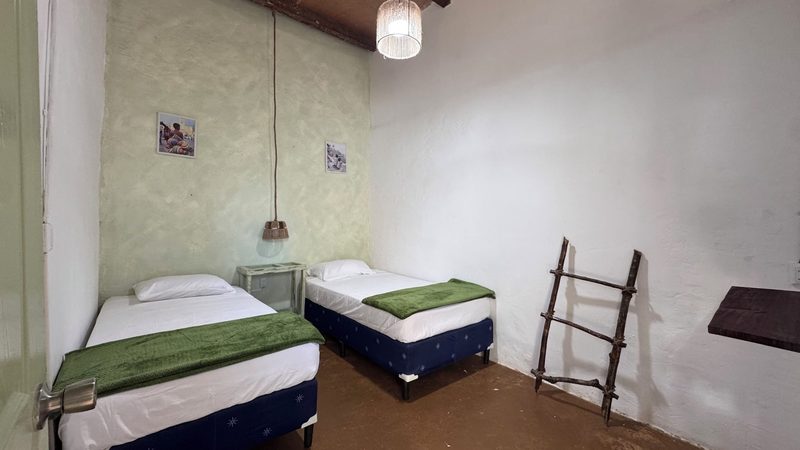
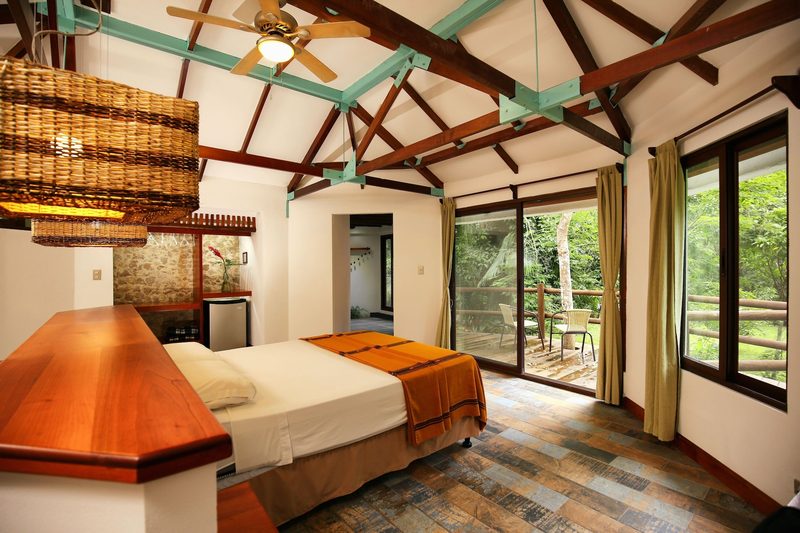
Where to Stay in Guatemala in November
Hand-picked hotels across price tiers for November travellers.
Public Holidays in November
Dates that affect opening hours, transport and crowds
All Saints' Day
Observed nationwide as a public holiday.
All Saints' Day
Observed nationwide as a public holiday.
All Saints' Day
Observed nationwide as a public holiday.
Packing Checklist
Bookmark this page — your progress is saved between visits
Need the full list with shopping links?
Climate-specific gear, brand recommendations, and what to leave at home.
View Guatemala Packing List →Essential Tips
Insider knowledge and common pitfalls to avoid
Insider Knowledge
Skip the chicken buses. These repurposed American school buses, painted in wild colors and driven with near-suicidal bravado, cost the least but endanger passengers on mountain roads. Locals who can afford it choose Pullman-style buses or private shuttles between Antigua, Panajachel, and Quetzaltenango. The shuttle network runs daily. The price gap is narrow. The safety difference is vast. Book shuttles a day ahead through your accommodation.
November sits between rainy and dry seasons. Accommodation owners need bookings but have not raised prices to peak levels. Antigua guesthouses and Lake Atitlan lodges requiring weeks-ahead reservations in December and January often take bookings days ahead in November. Exception: the first week around the kite festival and Day of the Dead tightens availability in Antigua and towns near Sumpango. Arriving before November 3? Book that stretch early.
ATMs outside major towns fail often. Antigua, Guatemala City, Panajachel, and Quetzaltenango have functioning machines from Banrural and BAM. Smaller lake towns, Semuc Champey, and rural highland villages often have none. Carry enough quetzales for two to three days whenever leaving a major hub. Market vendors and comedores refuse cards. Card-accepting establishments often have machines that break.
Eat fiambre on November 1. Every family claims their recipe is correct. Every other family's version is wrong. Try what is offered. Praise it specifically. Never compare it unfavorably to another version served earlier that day. The dish contains dozens of ingredients. Some families use over fifty. The variation matters.
Avoid These Mistakes
Do not pack only for warm weather. First-time visitors assume Guatemala is uniformly tropical. They arrive with shorts, sandals, and tank tops. Highland cities where most travelers stay run cool in November evenings. Antigua sits at 1,530 metres (5,020 feet). Atitlan reaches 1,560 metres (5,120 feet). Quetzaltenango climbs to 2,330 metres (7,640 feet). You will need warm layers. The Peten lowlands around Tikal stay hot and humid. Pack for both climates if your itinerary covers highlands and jungle.
Do not cram too much into too few days. Guatemala looks compact on maps. The roads are slow, winding, and often unpaved. Antigua to Lake Atitlan takes two to three hours. Antigua to Semuc Champey runs eight to ten hours depending on conditions. Flores, the Tikal gateway, requires a full day's drive from the highlands or a short domestic flight. Travelers planning Guatemala like a European road trip, expecting three destinations in three days, spend their entire trip in transit. They see nothing properly. Pick two or three areas for a week. Go deep.
Skip Guatemala City at your own loss. The capital carries a reputation for danger that sends most tourists sprinting toward their next destination. Look closer. Zona 1's Centro Historico holds the Palacio Nacional, the Catedral Metropolitana, and the Mercado Central. This below-ground market fills with the smell of fresh tortillas and roasting chiles. Zona 4 delivers a small but genuine food and design district. The Museo Ixchel del Traje Indigena in Zona 10 houses one of the finest collections of Maya textiles anywhere. One full day with a sharp local guide covers what matters. Do not overstay.
Ready to plan your trip to Guatemala?
Now that you've got the research covered, here's where to go next.
Explore More Activities in Guatemala
Didn't see anything interesting yet?
Browse Viator's full catalog of tours, day trips, food experiences, and private guides in Guatemala.
See All Guatemala Tours on Viator