
Things to Do in Guatemala in June
June weather, activities, events & insider tips
Low Season · Budget Friendly
June Weather in Guatemala
Long-run averages for June in Guatemala City
78°F (25°C)
High Temp
62°F (16°C)
Low Temp
10.7 inches (272 mm)
Rainfall
86%
Humidity
13
Sunny-Day UV
⚠ Heavy afternoon downpours can trigger flash flooding in Guatemala City's lower zones. Landslides hit unpaved mountain roads, routes through the Cuchumatanes highlands and the Verapaces region. Check road conditions through your accommodation or shuttle operator before any long transfer. Avoid night driving on mountain roads entirely during the wet season. Non-negotiable.
⚠ June marks the start of the Eastern Pacific and Atlantic hurricane seasons. Direct hurricane strikes on Guatemala are uncommon. Tropical storms can stall over Central America and bring several consecutive days of continuous heavy rain. Roads close. River levels rise dangerously. Domestic flights to Flores and the Peten get disrupted. Travel insurance that covers weather-related trip disruption is worth carrying in June.
⚠ Mosquito-borne illness risk increases notably in the wet conditions of June. Dengue fever spreads in lowland areas around the Peten, the Pacific coastal plain, and the Rio Dulce corridor. Use DEET-based repellent consistently. Sleep under treated nets in budget accommodation outside the highlands. Wear long sleeves at dawn and dusk in any area below 1,000 m (3,281 ft) elevation. Pack smart.
Making the most of June in Guatemala? Browse tours and activities in Guatemala on GetYourGuide.
Is June Right for You?
Weigh the advantages and considerations before booking
Advantages
- + Guatemala's highlands turn electric green in June. Coffee fincas around Antigua drip with new growth. The milpa cornfields climbing the slopes above Lake Atitlan are knee-high and luminous. Waterfalls near Semuc Champey and in the Verapaces run at full, thundering force. If you care about landscapes and photography, this is the most dramatic month of the year.
- + Major sites are nearly empty. Tikal's Great Plaza, which draws shoulder-to-shoulder crowds from December through March, is likely to have just a handful of visitors on a June weekday morning. Antigua's cobblestone streets around the Santa Catalina Arch feel like they belong to you before 10 AM. You'll hear toucans and motmots in the ceiba canopy instead of tour-group chatter. Worth it.
- + Pricing drops across the board. Accommodation in Antigua, Lake Atitlan, and Flores tends to run at low-season rates, and you'll find availability at properties that book out months ahead during the dry season. Shuttle services, guided volcano hikes, and cooking classes often have open spots same week. This is a luxury you will not get in February.
- + June mornings in Guatemala's highlands are spectacular. Cool air around 16 degrees C (62 degrees F) warms steadily into the low 20s by midday under clear skies with sharply defined volcanic silhouettes. The rain tends to hold off until early to mid afternoon, giving you a solid five to six hours of dry exploration before the clouds pile in. Guatemala City's measured average high of 25 degrees C (78 degrees F) is comfortable for walking, and the highland towns at similar elevation run about the same.
Considerations
- − Afternoon rain is not optional. It is a near-daily event in June, and Guatemala City alone averages 272 mm (10.7 inches) for the month. Storms typically arrive between 1 PM and 5 PM with real force: heavy downpours, cracking thunder, and streets that flood within minutes in lower-lying areas of the capital and Quetzaltenango. Outdoor plans after lunchtime need a waterproof backup or the flexibility to wait it out over coffee. Pack rain gear.
- − Mountain roads between highland towns become hazardous. The Interamericana and secondary routes through the Cuchumatanes range collect mud, rockslides, and standing water that can turn a four-hour drive into seven. Chicken buses, the repurposed US school buses that serve as Guatemala's rural public transport, still run. But transfers between Lake Atitlan, Chichicastenango, and Quetzaltenango take longer and feel considerably rougher in June.
- − Some high-altitude volcano treks get restricted or cancelled outright. The overnight Acatenango summit hike, one of Guatemala's signature experiences at 3,976 m (13,045 ft), runs less reliably in June because cloud cover obscures the views of Fuego's eruptions that make the climb worthwhile, and trail conditions above the tree line become slippery and dangerously cold after dark. Operators still go. But you may need two or three flexible days to get a viable weather window. Plan accordingly.
Short on time in June? See day trips around Guatemala on GetYourGuide.
Best Activities in June
Top things to do during your visit
June marks the deepening of Guatemala's rainy season. The country transforms under it. Afternoon downpours arrive with theatrical punctuality, usually between two and five o'clock. They hammer corrugated rooftops in a percussive roar. Then they drain into cobblestone gutters and leave the air cool and smelling of wet volcanic soil. Morning skies tend toward pale silver. They burn off into hazy sunshine by midday. Temperatures settle around 25°C during the day. They drop to a comfortable 16°C after dark in the highlands. The rains bring Guatemala's landscape into almost aggressive lushness. Hillsides around Lake Atitlán turn an electric green. Bougainvillea cascades over colonial walls in Antigua. The cloud forests of the Verapaces drip with epiphytes and moss. For travelers willing to plan around the weather, June offers uncrowded sites. It has a version of Guatemala that feels raw, unhurried, and itself. The rhythm of a June day in Guatemala rewards early risers. The clearest skies and best visibility come before noon. That means sunrise over Tikal's temples benefits from the pattern. Morning walks through Guatemala City's graffiti-lined streets in Zona 4 benefit too. Early departures to Panajachel do as well. Locals adjust instinctively. They run errands and open markets in the cool of the morning. Then they retreat indoors when the sky darkens and the first fat raindrops hit the pavement. Evenings often clear again. The post-rain sunsets over the Pacific lowlands can turn the horizon a deep, smoked orange. The rainfall in June averages around 272 millimetres. That is more than double May's total. A good rain jacket and dry bags for electronics are not optional. Roads in rural areas can become slick and slow. This is true on unpaved routes near the Ixil Triangle or the road descending to Lanquín. But Guatemala's major highways and tourist corridors remain passable. The reduced visitor numbers at marquee sites like Tikal and Atitlán mean you will often have carved stelae and lakeshore trails largely to yourself.

Glimpse Of Guatemala - Tour Only
guided_experienceThe Glimpse of Guatemala tour compresses the country's geographic drama into a single guided itinerary. It moves through highland valleys where the air thins and cools. It passes roadside milpa plots of corn and black beans climbing their stalks. It enters colonial towns where the scent of copal incense drifts from church doorways. The pacing is deliberate. It is built around stops that reveal how Maya tradition, Spanish colonial architecture, and contemporary Guatemalan life layer over each other in the same landscapes. Guides narrate not just history but the texture of daily routines. They explain how women in Sololá weave huipiles on backstrap looms using patterns specific to their municipality. They explain why a particular church facade in the highlands was left unfinished after an earthquake.
A structured, guided route through Guatemala's highland heart that connects landscapes, food, and living cultural traditions into a single coherent day.
Insider tip: Ask your guide to stop at one of the roadside comedores rather than a tourist-oriented restaurant. The caldos and handmade tortillas slapped onto a clay comal are better. They give you a real sense of highland cooking.
This month: June's heavy afternoon rains mean highland roads can be slower than usual. Expect longer transit times between stops. Pack layers, as highland valleys cool sharply when the rain arrives.

Graffiti Walking Tour in 4 Grados Norte Guatemala City
walking_tourGuatemala City's Zona 4 neighborhood, specifically the walkable arts district called Cuatro Grados Norte, has become an open-air gallery. Muralists paint building-scale works on concrete walls that once housed warehouses and parking structures. The Graffiti Walking Tour here moves through narrow lanes. The acrylic-sweet smell of fresh spray paint sometimes still hangs in the air. The pieces range from photorealistic portraits of indigenous elders to abstract compositions in electric pinks and deep indigos. Guides contextualize each work within Guatemala's political history and its contemporary street art movement. They explain how artists negotiate wall space, who commissions pieces, and which murals have been painted over in territorial disputes between crews.
The only way to decode Guatemala City's most politically charged and visually arresting street art, with commentary that connects each mural to the country's unfinished reckonings with its past.
Insider tip: Go on a weekday morning when the surrounding cafés are open but the streets are quiet. Weekend foot traffic and noise from nearby bars make it harder to hear your guide and photograph walls without crowds in the frame.

Private transfer from Airport to Panajachel
transportThe drive from La Aurora International Airport in Guatemala City to Panajachel on the north shore of Lake Atitlán covers roughly 145 kilometres. It descends through pine-forested highlands before the lake appears below, ringed by the conical silhouettes of Volcán San Pedro, Tolimán, and Atitlán. A private transfer eliminates the logistical friction of navigating chicken buses or shared shuttles with luggage after an international flight. The driver typically follows the Pan-American Highway west to Los Encuentros before turning south on the winding descent to Panajachel. There, the humid air off the lake carries the faint mineral smell of volcanic water. The road drops through switchbacks where roadside vendors sell bananas and rambutans from plastic crates. The temperature shifts noticeably as you leave the capital's elevation behind.
A door-to-door transfer that turns the three-hour airport-to-lake journey into a comfortable scenic drive rather than a logistical puzzle on arrival day.
Insider tip: Ask the driver to stop at the Godínez viewpoint, roughly twenty minutes above Panajachel. You can see all three volcanoes reflected in the lake surface on clear mornings. It costs nothing and takes five minutes.
This month: June rains occasionally trigger minor landslides on the descent from Los Encuentros to Panajachel. A private driver familiar with alternate routes and current road conditions is more valuable this month than in the dry season.

Day Trip Tikal adventure from Guatemala City
day_tripTikal rises from the Petén lowland jungle in northern Guatemala. Reaching it as a day trip from Guatemala City means an early domestic flight over the green carpet of the Petén basin. Then comes a drive through humid forest where howler monkeys produce a guttural, resonant roar that carries for a kilometre through the canopy. The ruins themselves are staggering in scale. Temple IV, the tallest pre-Columbian structure in the Americas, lifts you above the tree line. From its summit platform you look out over an unbroken expanse of jungle canopy. The roof combs of other temples jut through like stone islands. The air at Tikal in June is thick and warm. It is heavy with the smell of decaying leaf litter and the high-pitched whine of cicadas. Spider monkeys swing through cecropia trees along the main causeways linking the Great Plaza to the Lost World complex.
One of the largest and most architecturally ambitious Maya cities ever built, experienced in a single intensive day that includes the domestic flight, guided exploration, and return to the capital.
Insider tip: Climb Temple IV first, before the guided circuit of the Great Plaza. Most groups do the reverse. You will have the summit largely to yourself if you arrive early. The morning light on the canopy is at its clearest before ten.
This month: June is Tikal's wet season. The jungle trails between temple complexes become slick with mud. Wear boots with ankle support, not sandals. The upside is that the park is far less crowded than in the December-through-March dry season. The wet forest is louder with wildlife.

Hobbitenango, Altamira and Antigua Borial parks.
otherHobbitenango sits on a pine-covered ridge above Antigua at roughly 2,300 metres. The temperature up here drops noticeably from the valley floor. The air is thin and cool against exposed skin even at midday. The attraction is a whimsical eco-park built around hobbit-hole structures dug into the hillside. The real draw is the panoramic view of the Panchoy Valley below. Volcán de Agua is centered in the frame. Volcán de Fuego occasionally sends a grey plume into the sky to the southwest. The day trip pairs Hobbitenango with the Altamira lookout and the Borial parks near Antigua. It threads together highland forest trails where the ground is soft with pine needles and the air smells of resin and damp earth.
A highland day that combines Antigua's volcanic panorama with forest trails and an eccentric mountaintop park, all above the humidity and noise of the valley floor.
Insider tip: Bring a fleece or light jacket even though Antigua itself feels warm. The ridge where Hobbitenango sits is exposed and windy. In June the cloud cover can roll in suddenly and drop the temperature by several degrees within minutes.
This month: June afternoon storms hit the ridge earlier and harder than the valley. Plan to descend to Antigua by one or two o'clock. Avoid being caught in exposed highland rain with limited visibility.

Lake Atitlan Private Tour
private_tourLake Atitlán sits in a volcanic caldera at 1,562 metres. Its surface shifts color through the day. It moves from a dark, glassy blue-black at dawn to a wind-chopped turquoise by midafternoon when the Xocomil wind rises off the Pacific slope and rakes across the water. A private tour by boat allows you to set your own pace among the lakeside towns. Each has a distinct character. San Juan La Laguna has women's weaving cooperatives that dye cotton with cochineal and indigo in open-air workshops smelling sharply of mordant and wet fiber. Santiago Atitlán has Maximón, the syncretic Maya-Catholic deity, sitting in a dim room heavy with cigar smoke and rum offerings. San Marcos La Laguna has air around the docks that carries copal and the faint sweetness of cacao ceremonies held in open-sided pavilions. The privacy of the boat means you can linger where the conversation is good. You can skip what does not interest you.
The only way to experience Lake Atitlán on your own terms, with a private boat and guide who can adjust the route to your interests rather than a fixed shuttle schedule.
Insider tip: Ask your boatman to hug the southern shore on the return leg. The late-morning light catches the terraced milpa fields climbing the slopes above San Pedro. You can often spot kingfishers diving from overhanging branches near the shoreline.
This month: June's rains raise the lake level noticeably. Some lower docks in San Pedro and Santiago may be partially submerged. The boatman will know which landings are usable on any given day.
Where to Stay in Guatemala in June
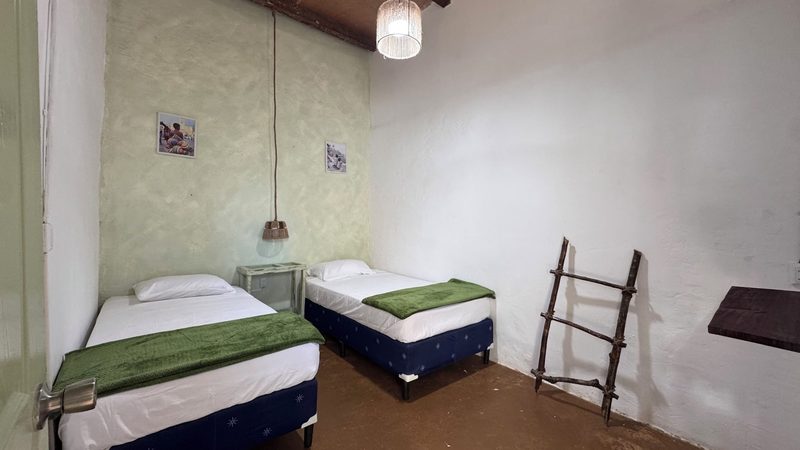
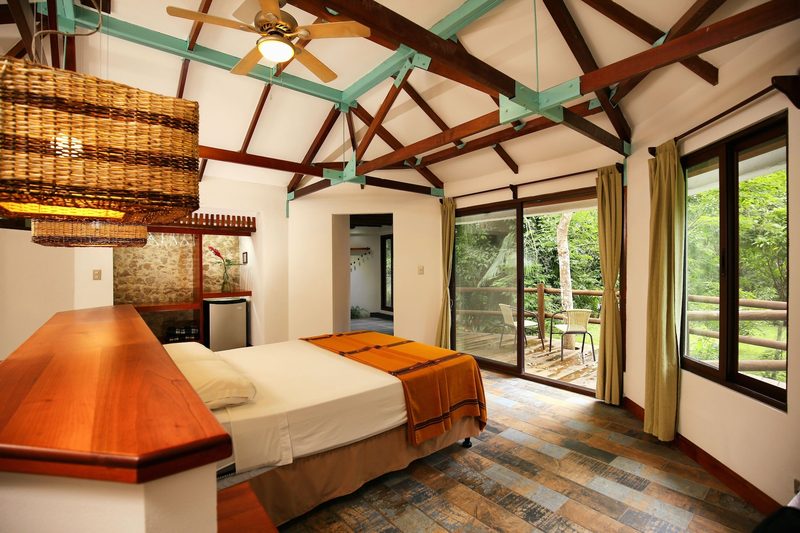
Hand-picked hotels across price tiers for June travellers.
Public Holidays in June
Dates that affect opening hours, transport and crowds
Army Day
Observed nationwide as a public holiday.
Army Day
Observed nationwide as a public holiday.
Packing Checklist
Bookmark this page — your progress is saved between visits
Need the full list with shopping links?
Climate-specific gear, brand recommendations, and what to leave at home.
View Guatemala Packing List →Essential Tips
Insider knowledge and common pitfalls to avoid
Insider Knowledge
Structure every day around a morning-first schedule. Guatemala's June weather pattern is remarkably consistent. Clear skies run from dawn until roughly noon or 1 PM. Clouds build fast and the rain arrives, usually lasting one to three hours before tapering off by early evening. The locals have done this forever. Markets open at dawn. Outdoor labour happens before lunch. Afternoons are for being indoors with coffee or a beer. Fight this rhythm and you will spend half your trip soaked and frustrated. Embrace it and June becomes one of the best months to visit.
Lake Atitlan's xocomil wind is real. It intensifies in rainy season. The name comes from K'iche' Maya and roughly translates to 'the wind that carries away sin.' It sounds poetic until you are in a small lancha getting tossed around on two-metre chop at 3 PM. Take morning boats, always. If a lancha operator tells you the afternoon crossing is fine, he is being optimistic with your stomach.
Guatemala's shuttle system between tourist towns, Antigua to Panajachel, Panajachel to Flores, Antigua to Guatemala City, runs year-round but is less frequent in June. Confirm departure times the day before, not the day of. Build extra hours into any mountain transfer. The Antigua-to-Lake Atitlan shuttle crosses the highland pass above Chimaltenango where fog and rain can reduce visibility to almost nothing. The drivers know the road. It takes longer than they will tell you.
Treat Guatemala like any Central American country. Stick to well-travelled tourist corridors between Antigua, Lake Atitlan, Flores, and Semuc Champey. Avoid unfamiliar areas after dark. Use registered shuttle services or reputable private transfers. Keep valuables out of sight. Guatemala City's Zona 1 historic centre around the Parque Central and the Palacio Nacional de la Cultura works best on weekday mornings. The energy stays commercial then. The Mercado Central below the main plaza, an underground labyrinth of food stalls, leather goods, and textiles, feeds the city. Most travellers who take basic precautions move through Guatemala without incident. The precautions are not optional.
Avoid These Mistakes
Planning outdoor excursions for the afternoon. This is the single most avoidable mistake visitors make in Guatemala in June. That volcano hike, that lake crossing, that open-air market browse: schedule it before noon. Otherwise, accept driving rain. The afternoon storm pattern is so reliable that even a one-day adjustment to your itinerary structure will transform your entire experience of the country. Worth it.
Underestimating travel times between destinations. The straight-line distance from Antigua to Lake Atitlan is roughly 75 km (47 miles), but the mountain road takes two and a half to three hours in dry conditions. Add four or more when June rain slicks the switchbacks. Flores to Tikal adds another hour beyond what the map suggests when rural roads are muddy. Build buffer days into your itinerary. Skip the one-week sprint.
Assuming Guatemala is uniformly hot because it sits in Central America. The highland cities where most travellers spend their time, Antigua at 1,530 m (5,020 ft), Quetzaltenango at 2,330 m (7,644 ft), Lake Atitlan at 1,560 m (5,118 ft), run cool. in June evenings and early mornings. Packing only shorts and tank tops will leave you cold and underdressed at dinner. The Peten lowlands around Tikal are oppressively hot and humid. The highlands operate in a completely different climate. People get caught off guard every time.
Ready to plan your trip to Guatemala?
Now that you've got the research covered, here's where to go next.
Explore More Activities in Guatemala
Didn't see anything interesting yet?
Browse Viator's full catalog of tours, day trips, food experiences, and private guides in Guatemala.
See All Guatemala Tours on Viator